
IP camera
A security camera that processes video itself and sends it as digital data over a Cat5e or Cat6 network cable.
In more detail
An IP camera processes the image itself and sends it as data over Cat5e or Cat6 cable to an NVR or across the network. Many draw their power through the same cable using Power over Ethernet (PoE), so each camera needs only one cable, run within 100 m of the switch.
A school in Moshi with several buildings might put IP cameras on its structured cabling, with fibre between the buildings. Because the cameras sit on the network, they need strong passwords and up-to-date firmware, just like computers.
Why it matters
IP cameras go wherever there is a network point and support advanced features, which makes them the usual choice for new or growing sites.
Frequently asked questions
Standard Ethernet allows 100 m of copper cable between the switch and the camera. For longer runs, for example on a large compound, add another switch part way, use a PoE extender or run fibre.
CCTV security cameras
Analog and IP cameras, recorders and monitors, installed by our technicians, with viewing on your phone.
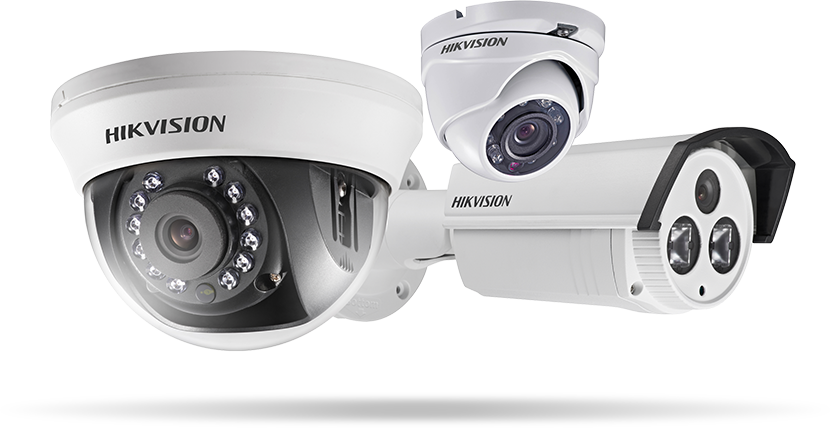
- Analog & IP cameras
- View on your phone
- Installed by our technicians
- Tanzanian IT company since 2001
- Branch offices across Tanzania
Often bought together: Biometrics & access control, Firewall & endpoint security, Repairs, networking & AMC
Learn more on this site
CCTV security cameras
Analog and IP cameras, recorders and monitors, installed by our technicians, with viewing on your phone.
Analogue vs IP CCTV cameras: which suits your home, shop or office?
Analogue cameras record to a DVR over coaxial cable; IP cameras send digital video over network cable to an NVR. How they compare on cabling, recording and remote viewing, and what to ask before you buy.
Tell us what your business needs
Get a quote or a callback from the Powercomputers team: hardware, software, EFD and VFD, security, web or support.